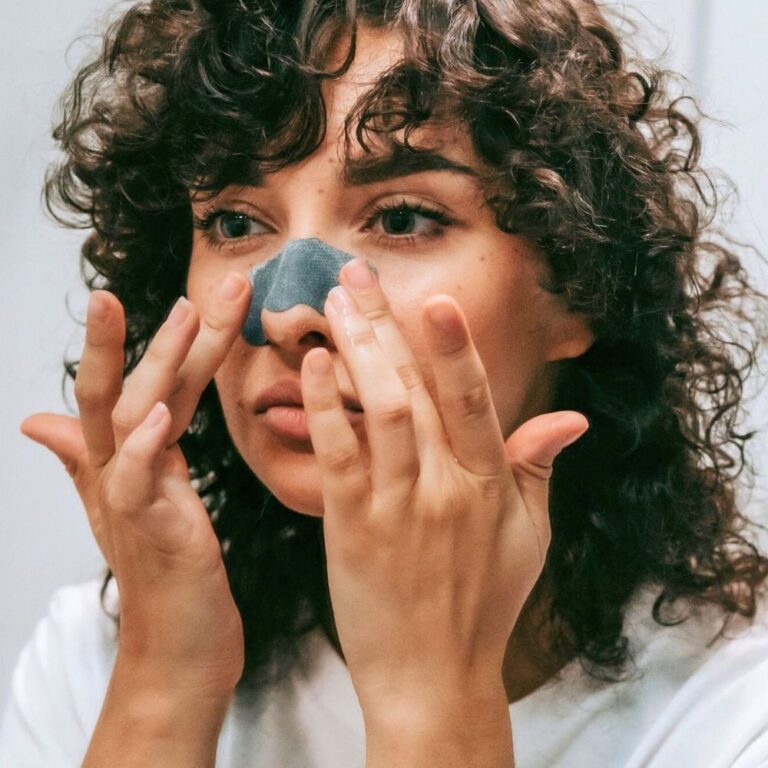
Here is a no-fluff guide to collagen, include what it does, how it helps, and all the natural foods and supplements you can take for it.
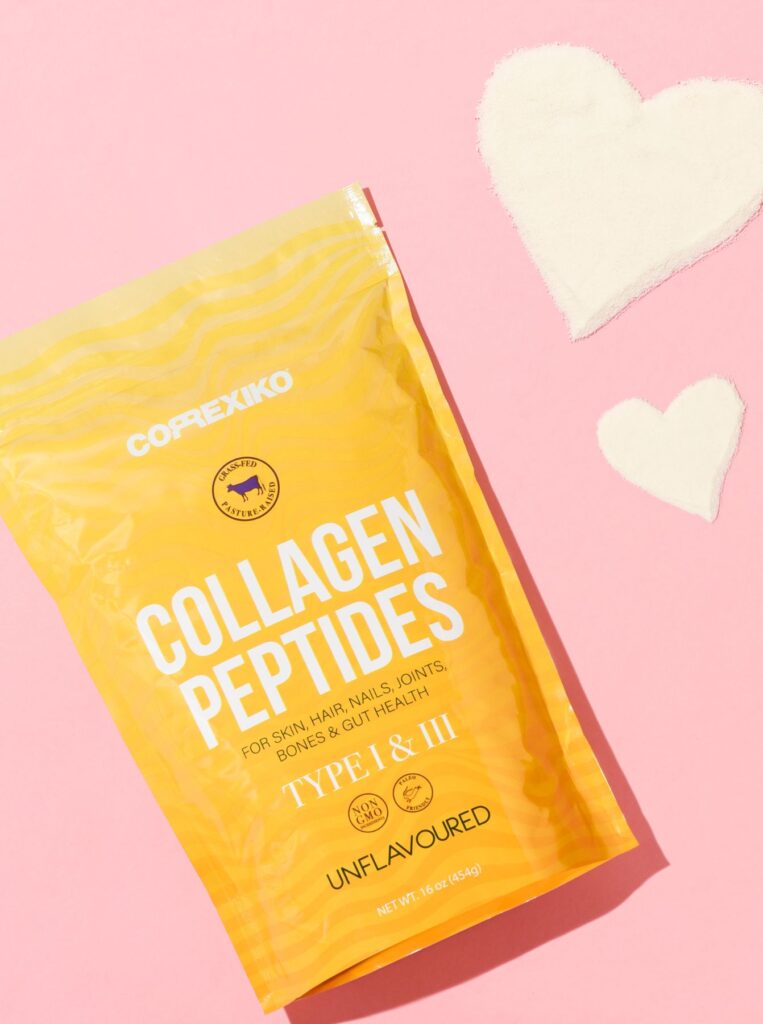
Collagen has become insanely popular in the beauty and wellness community.
If you’re active online, you’ve probably seen all the TikToks and glow-up promises.
As a result, many women are scooping collagen into their smoothies and coffee without really knowing why.
What does collagen actually do? Do we need it? And is it worth the hype?
In this post, we’re going to look at collagen in depth and answer all these questions so that you can decide whether it’s worth your coins.
Let’s start with understanding it in simple words.
What Is Collagen?
In the simplest terms, collagen is a type of protein.
And not just any protein; it is actually the most abundant protein in your body.
You can think of it as a framework that holds everything together — your skin, hair, nails, joints, bones, and even your gut lining.
Your body makes collagen naturally, but production starts to drop in your mid-20s.
That’s when things like wrinkles, joint aches, and dry skin can sneak in.
Here’s how good collagen in your body can beautify your health and wellness:
The Real Benefits Of Collagen
1. Youthful, Plump, Glowy Skin

Collagen is what gives your skin its structure, firmness, and bounce.
As your natural collagen levels drop, that’s when you start noticing dullness, sagging, fine lines, and dryness (even if your skincare is on point).
Supplementing with collagen (especially Types I and III) helps rebuild that internal scaffolding. Clinical studies have shown it can:
- Increase skin elasticity
- Improve hydration levels
- Reduce the appearance of fine lines
- Promote a smoother skin texture
It’s like feeding your skin from the inside, and when paired with vitamin C and hyaluronic acid, it works even better.
Most women start noticing subtle but real changes in 6–8 weeks of consistent use.
Do check out: 17 Clear Skin Tips That Will Give You An Eternal Glow
2. Stronger and Thicker Hair (And Less Shedding)
Hair is made primarily of keratin, and collagen supports keratin production.
It also helps improve the blood flow to your scalp, which means more nutrients getting to your hair follicles.
Collagen can help:
- Reduce hair breakage
- Boost hair thickness and volume
- Support healthy hair growth
- Minimize excessive shedding (especially from stress or hormone shifts)
If your ponytail’s looking thinner or you’re seeing too many strands in the shower drain, collagen might help reverse that.
3. Healthier Nails That Don’t Break
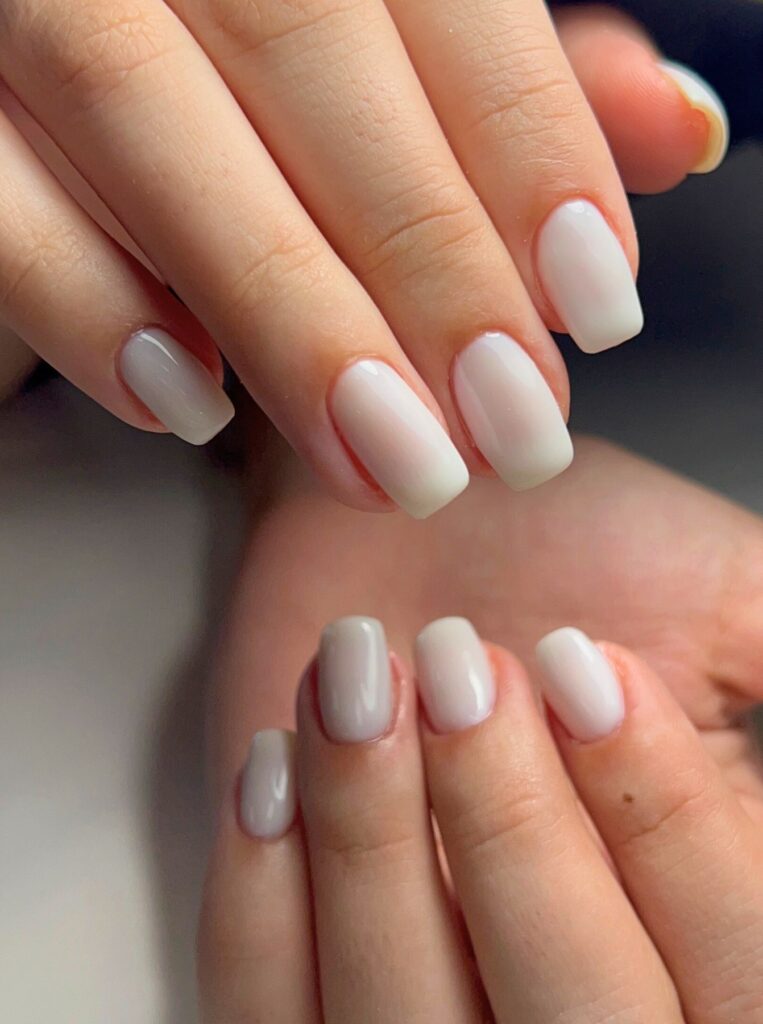
If your nails are constantly chipping, splitting, or just won’t grow, collagen might be the missing link.
Your nails are made of protein, and when collagen levels drop, so does their strength.
Supplementing collagen has been shown to:
- Reduce brittleness
- Increase nail growth rate
- Minimize breakage and peeling
You may also notice your cuticles getting healthier and less prone to drying out.
4. Better Joint Support and Less Aches
Think of collagen as the cushion between your joints.
As you age (or if you’re super active), that cushion thins out, leading to stiffness, cracking, or pain.
Collagen (especially Type II) can:
- Reduce joint discomfort and inflammation
- Improve flexibility and mobility
- Support cartilage repair
This is especially helpful for women who lift, run, do yoga, or simply feel sore getting out of bed.
Many users report noticeable improvements in knee, hip, and wrist pain after consistent use.
5. Stronger Bones
Your bones are 30% collagen.
That means less collagen will lead to weaker bones, higher risk of fractures, and faster loss of density, especially for women as we approach menopause.
Studies show collagen supplements can:
- Support bone mineral density
- Slow down bone breakdown
- Improve overall bone strength when combined with calcium + vitamin D
If you’re looking at long-term health (not just beauty), this is seriously a big reason to consider taking collagen.
6. Healthier Gut and Better Digestion
Collagen supports your gut lining, which is critical for digestion, nutrient absorption, and immunity.
When your gut barrier gets leaky, toxins and inflammation sneak in, which can show up as bloating, acne, fatigue, and food sensitivities.
Collagen (especially gelatin-rich forms) can help:
- Seal and strengthen the gut lining
- Improve digestion and nutrient absorption
- Reduce symptoms of IBS or leaky gut
Glowing skin starts with a healthy gut, so collagen is helping from both ends here.
Collagen-Rich Foods

If you want to support your body’s natural collagen production (as you should), then load up on:
- Bone broth
- Salmon (with skin)
- Eggs, especially the whites
- Citrus fruits
- Leafy greens
- Avocados and nuts
Collagen Supplements
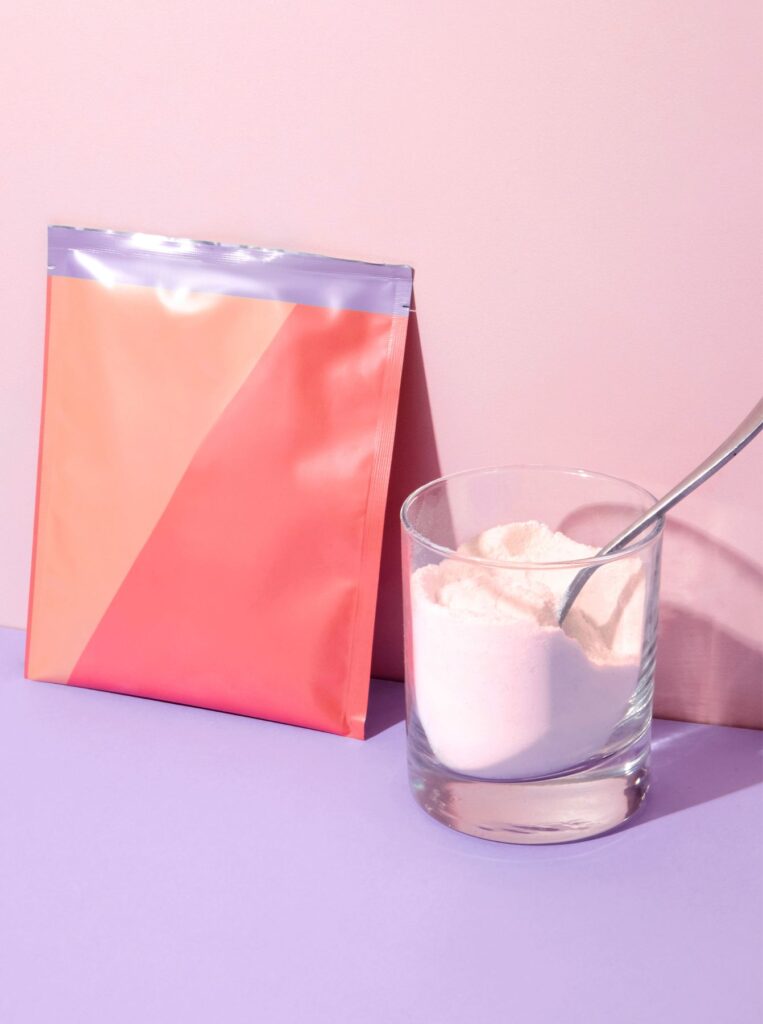
Collagen supplements are everywhere these days, but not all of them are created equal.
If you get the right kind, it can really help you.
You need to look for:
- Hydrolyzed collagen peptides: These are broken down for better absorption. Your body can actually use them.
- Marine collagen: Great for skin benefits, especially Types I and III (the ‘beauty’ types).
- Extras like vitamin C, hyaluronic acid, or biotin: They help your body make the most of the collagen.
Popular picks:
- Vital Proteins (the classic)
- Dose & Co (cute packaging, solid ingredients)
- Ancient Nutrition (multi-type blend for skin and joints)
- Garden of Life (if you’re more plant-based or wellness-focused)
No matter what collagen you decide to go for, you gotta be consistent, girl.
Give it at least 4-8 weeks before expecting any results.
Come to think of it, isn’t that true for everything related to health, wellness, and basically everything good in life?
So… Do You Need Collagen?
Collagen can be amazing, but it’s not a miracle in a scoop.
It is like skin insurance. Not a quick fix, but something that pays off over time.
If you pair it with sleep, water, healthy food, and sunscreen, then you’ll have a recipe for the effortless glow we all want.
Just don’t buy the hype blindly. Know what it does, how it works, and give it time.
Hopefully, this post was able to tell you all the important stuff, so you can decide which route you want to go about.
I personally take natural collagen supporting food, and as I enter my late 20s, it’s proving to be an essential part of my diet that’s helping me stay healthy and pretty.
What are your final thoughts? Let me know in the comment box before you go!