Here’s a clear no-fluff guide to clear your skin in 30 days, which I myself followed down to a T and got free from acne at last!
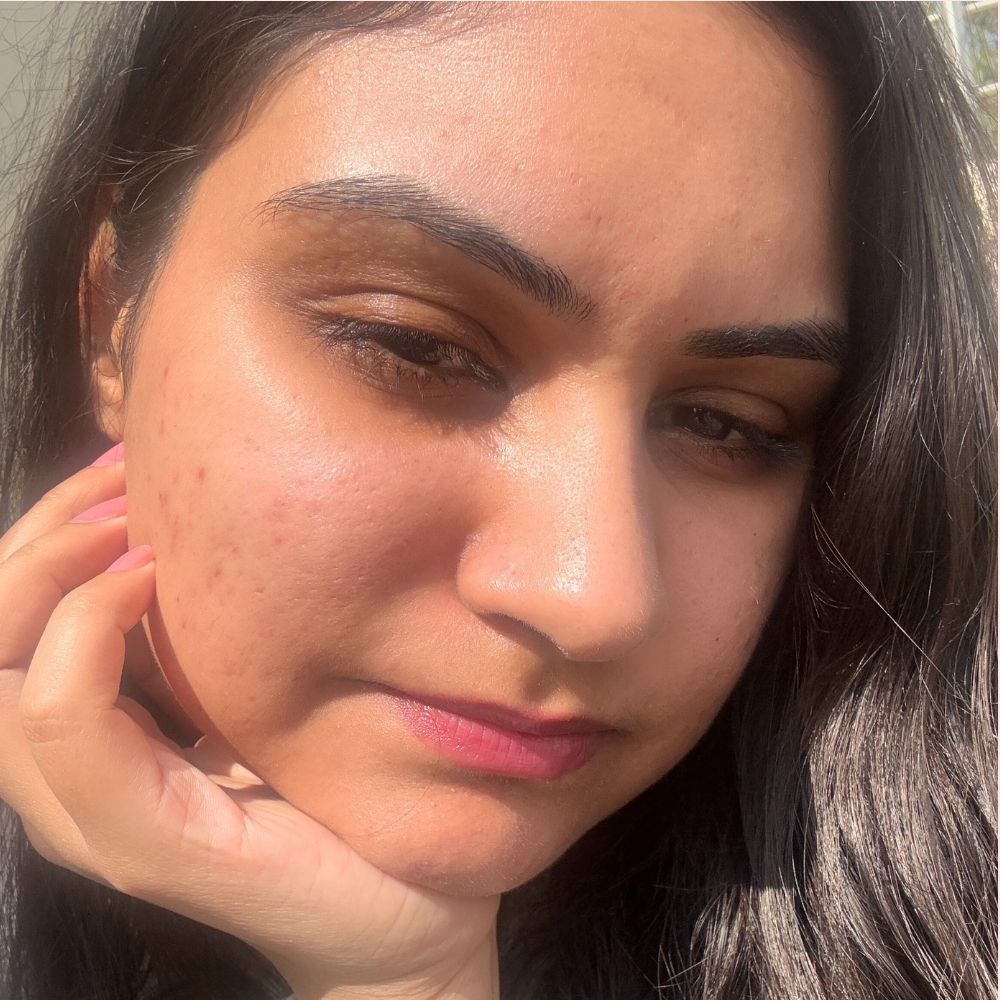
If you’ve been struggling with acne and breakouts, scrolling through skincare tips on social media, and feeling crazy by all the conflicting advice out there, this post is for you.
I know exactly how frustrating it can be to try product after product, and spend hundreds of dollars on the latest miracle treatments, only to see minimal results or even more breakouts.
Ah, the perks of being a sensitive skin girl.
But what if I told you that you can clear your skin in 30 days?
Or, to be more realistic, at least kickstart your skin’s healing process so that it can eventually be clear of all acne, marks, and blemishes?
You’d just need 9 simple habits that cost almost nothing and required no fancy products, and follow them religiously for 30 days.
Now, there’s a reason why 30 days is the perfect timeline to clear your skin.
Your skin cell turnover cycle is approximately 28 days, which means the skin you see today started forming about a month ago.
Fascinating, right? This means that in 30 days you can bring changes to your skin and be on your way to a glowy face!
In this post, I’m sharing the exact 9-step protocol that cleared my skin (after the worst breakout of my life).
I will also explain why each step matters, so this guide is thorough, and I will not suggest you skim past it. Your skin is worth the attention, babe.
If you’re ready to stop throwing money at products that don’t work and start seeing real results, keep reading.
How To Clear Your Skin In 30 Days
1. Drink 10 Glasses of Water Daily

Water is the foundation of healthy skin, which is why every skincare loving girlie online tells you to drink loads of water.
Water balances your oil production. It’s your body’s natural detox system, helping flush out toxins that would otherwise try to exit through your skin and lead to breakouts.
Start each morning with two large glasses of water (drink at gap of 10 minutes) before coffee or breakfast.
Set hourly reminders on your phone until it becomes habit.
Keep a large water bottle visible at your desk so that you can reach for it every few mins for sips.
Feel free to add lemon slices, cucumbe, and mint (I did this a lot), but just avoid sugary additives as they can trigger inflammation.
Once I started drinking 10 glasses of. water, I noticed changes within the first week. My skin felt less tight after cleansing, and the midday oil slick on my T-zone disappeared.
By week two, my complexion looked plumper and more radiant. Magic of proper hydration, babe!
2. Strategic Spot Treatment
Most women make the mistake of applying random acne treatments to their entire face, thinking more coverage meant better results. Wrong, wrong, wrong!
This approach irritates your healthy skin while barely making a dent in actual breakouts.
But strategic spot treatment is where the real solution lies at. It prevents you from disrupting your skin’s natural barrier function across your entire face.
You’re only intervening where there’s actually a problem, allowing healthy areas to maintain their balance while troubled spots get targeted treatment.
If you don’t know what spot treatment work for you, then visit a dermatologist and ask them what to go for.
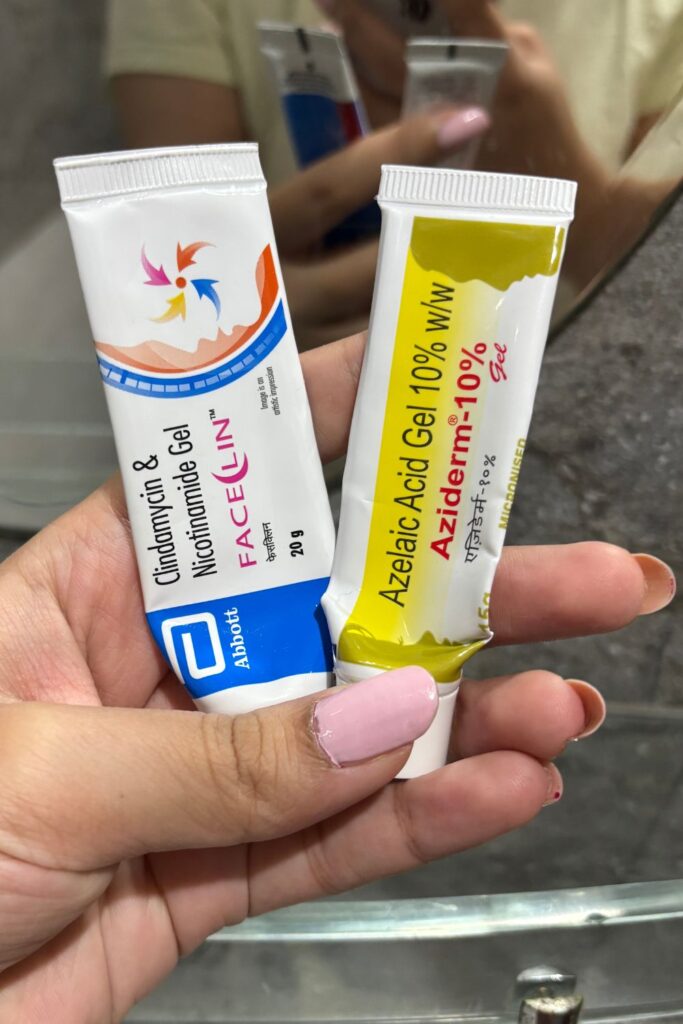
When I was working on my skin, I used clyndamycin gel after cleansing in the morning. Just a tiny amount of directly onto each active breakout, not the surrounding area.
At night, after cleansing but before moisturizer, I applied azelaic acid to any areas prone to breakouts, plus current active spots.
Spot treatment worked wonderfully for me during my 30-day skin clear challenge. Within a week, existing breakouts started shrinking noticeably.
By week three, I was getting significantly fewer new breakouts because the azelaic acid was preventing them before they could fully form.
Be mindful that you may need to stick to your spot treatment for longer, as some products can cause skin purging, which means your acne will get worse before it gets better and eventually clear up.
But in the end, the right treatment will give you clear skin. Again, do recommed a dermat to get the right recommendation for your skin type and issues.
3. Move Your Body Daily

Exercise is like a full-body facial from the inside out. When you get your heart pumping, you’re increasing blood circulation throughout your entire body, including to your skin.
In simple words, you get nutrients to your skin cells that remove waste products, and control dullness and breakouts.
For 30 days, get your body moving every single day. The type of exercise and intensity doesn’t matter as long as you show up everyday.
Go for 30-minute walks, bodyweight workouts, yoga sessions, and occasional runs. If none of that appeals, then follow YouTube workouts (there are a ton of them out there, it’s insane).
During the workout, use a microfibre towel to wipe sweat gently; you don’t want to let it sit on your face for long.
Immediately after exercising, gently pat your face and neck one last time, then rinse with cool water within 30 minutes.
Within two weeks, you should start seeing results. Your complexion will be more vibrant and alive, and you’ll notic fewer breakouts along your hairline and jawline (areas where sweat typically sits longest).
On top of all that, the daily movement will also reduced your stress levels, which indirectly benefits your skin since stress hormones can trigger breakouts.
4. Change Your Sheets and Pillow Cases Every Week
Did you know that your pillowcase is basically a petri dish for everything your skin sheds overnight?
Every night, you’re depositing oil, dead skin cells, bacteria, hair products, and any remaining traces of skincare products onto that fabric.
Then you spend 6-8 hours with your face pressed against this collection of skin debris. Like, ew!
This is why you need to change your sheets every week, especially since your intention is to actually clear your skin in 30 days.
Material matters too, you know. I switched to cotton pillowcases because they’re breathable and don’t trap moisture like synthetic materials can.
Satin and silk pillowcases are often recommended for hair, but for acne-prone skin, cotton’s breathability won the battle, so I’d suggest go for that.
This simple change eliminated what I now realize was a major source of reinfection for me.
Because no matter how perfectly you follow your skincare routine, if you are sleeping on a bacteria-laden pillowcase every night, you are abotaging my progress.
5. Master the CMS Routine
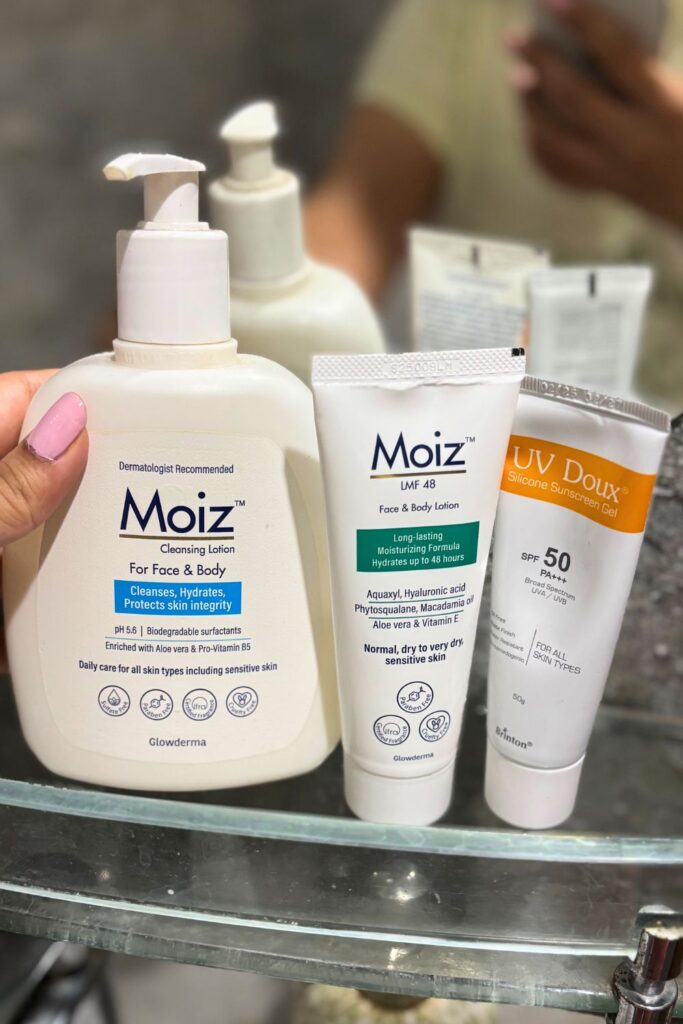
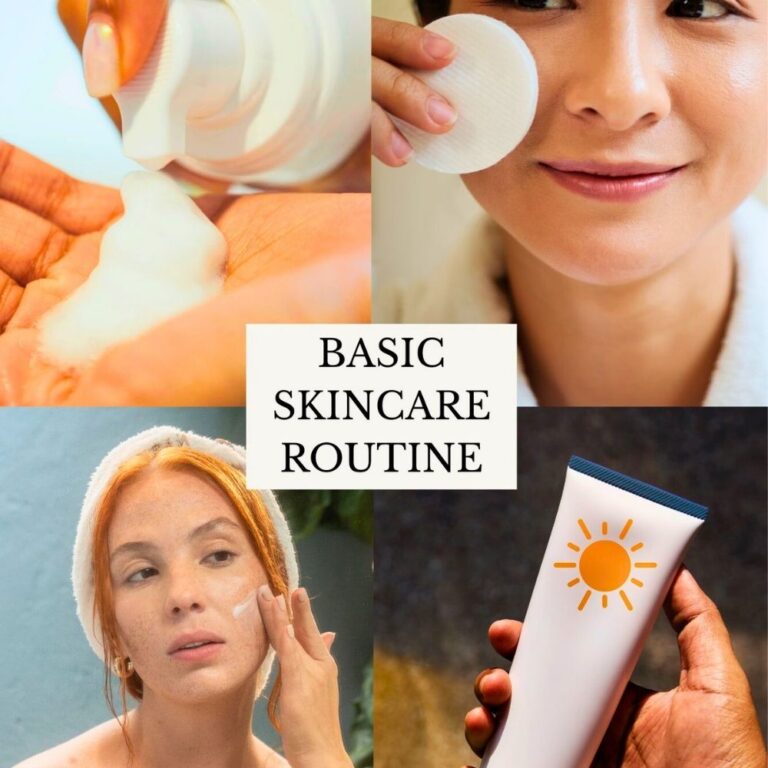
CMS in skincare stands for cleansing, moisturizing, and sunscreen. Besides your spot treatment, this is the only skincare activity you need to partake in for the next 30 days.
I know this goes against the multi-step skincare routines dominating social media, but it’s exactly what your skin needs during the healing phase.
Each step has a specific purpose and timing that will support your skin recovery.
Use a gentle pH-balanced cleanser twice daily, once in the morning and once in the evening. Don’t use two different cleansers here. Stick to one product that works for you.
Do not use harsh cleansers that leave your skin feeling tight and squeaky clean; they are actually counterproductive because they strip your skin’s natural protective barrier.
Coming to moisturizing, even oily and acne-prone skin needs hydration. When your skin is properly moisturized, it doesn’t need to overproduce oil to compensate for dryness.
Choose a lightweight, gel-based moisturizer that provids hydration without feeling heavy or greasy.
Okay, so coming to sunscreen, I am about to say something controversial. Wear your sunscreen when you’re stepping outside, but skip it indoors.
When you’re dealing with active acne and spending most of your time indoors,
Sunscreens (even the best ones) can clog your pores and impede the healing process.
During my 30-day reset, I skipped daily sunscreen for indoor days (on my derm’s recommendation). It actually helped.
Once your skin stabilizes after 30 days, you can gradually reintroduce a lightweight daily sunscreen.
5. Say No To Extra Products and Makeup
This was by far the most difficult step for me psychologically, but it yielded the most dramatic results.
Most makeup and skincare products contain ingredients that can clog pores, even if they’re labeled ‘non-comedogenic’.
When you’re trying to clear your skin, every additional product is a potential irritant and pore-clogger.
The only way to identify what’s helping versus hurting is to strip everything away and start with a clean slate (CMS only, as I said).
I know this feels scary, especially if you’ve been using makeup to cover breakouts. The fear of going makeup-free in public is real and valid.
But just try this for 30 days, and see if it makes a difference.
This is also true for all those Instagram-hyped skincare products, btw. The viral vitamin C serum, the trending retinol alternative, the K-beauty essence everyone swears by — send it all into a box for 30 days.
Your skin doesn’t need 12 steps of laying. It needs space to heal, so please let it breathe.
This post will help a lot: How To Look Pretty Without Makeup – 13 Tips For a Natural Glow
7. Keep Your Hands Off Your Face
This seemingly simple rule is actually one of the most impactful changes you can make, and it’s completely free.
Your hands are bacteria magnets. Throughout the day, they touch your phone, keyboards, door handles, money, and countless other contaminated surfaces.
Every time you touch your face, you’re transferring all of that bacteria directly to your pores. Like, ew!
So, starting today, learn to keep your hands off your face.
I swear just by doing this one simple thing, those random small bumps that appear overnight will become much less frequent.
8. Eat Skin-Loving Fruits
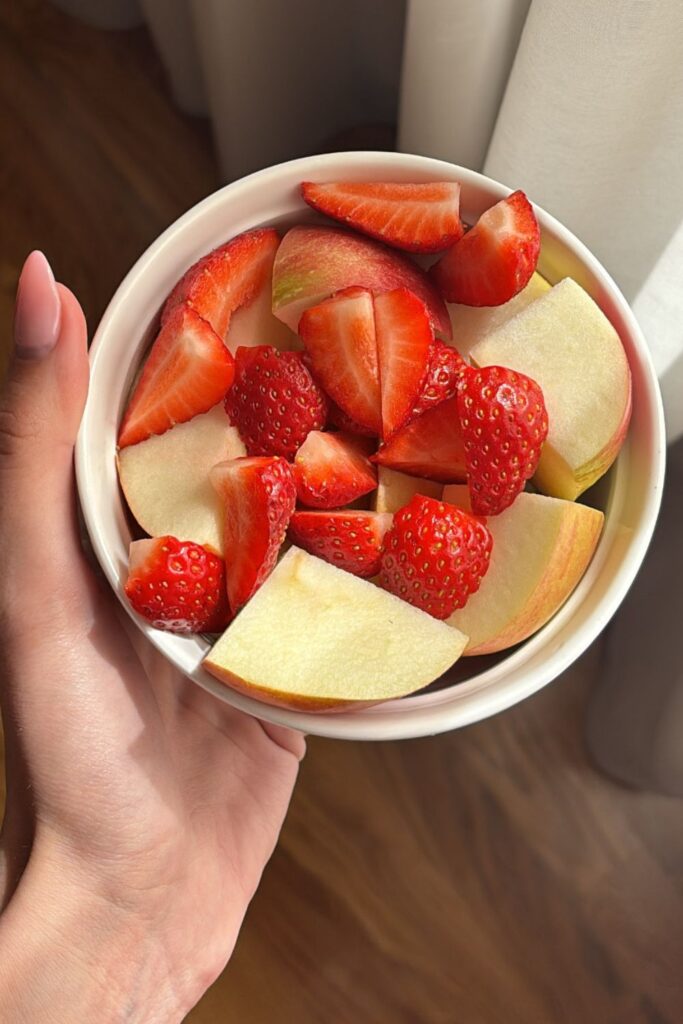
Skincare isn’t just about what you put on your skin. It’s also about what you put in your body (perhaps more than the former).
During your 30-day transformation, make sure to eat skin-supporting fruits daily. And I mean when I say daily.
The nutrients from fruits will provide the raw materials your skin needs to repair damage, fight inflammation, and maintain healthy cell turnover.
Skin-friendly fruits to eat: Citrus fruits, strawberries, kiwi became daily staples. blueberries, blackberries, and pomegranate seeds.
Hydration heroes: Watermelon, cantaloupe, and cucumber.
Anti-inflammatory fruits: Papaya and pineapple
Here’s what I ate for 30 days: Citrus or berries with breakfast, watermelon or other hydrating fruit as a mid-morning snack, and papaya or pineapple as an afternoon treat.
This ensured I was getting a variety of skin-supporting nutrients throughout the day.
Rather than relying on supplements, it’s better to focus on whole fruits, nature’s original skincare supplement!
9. Use Fresh Face Towels Only
Okay, we’re down to the last step now, and it’s very important, just like the rest of all.
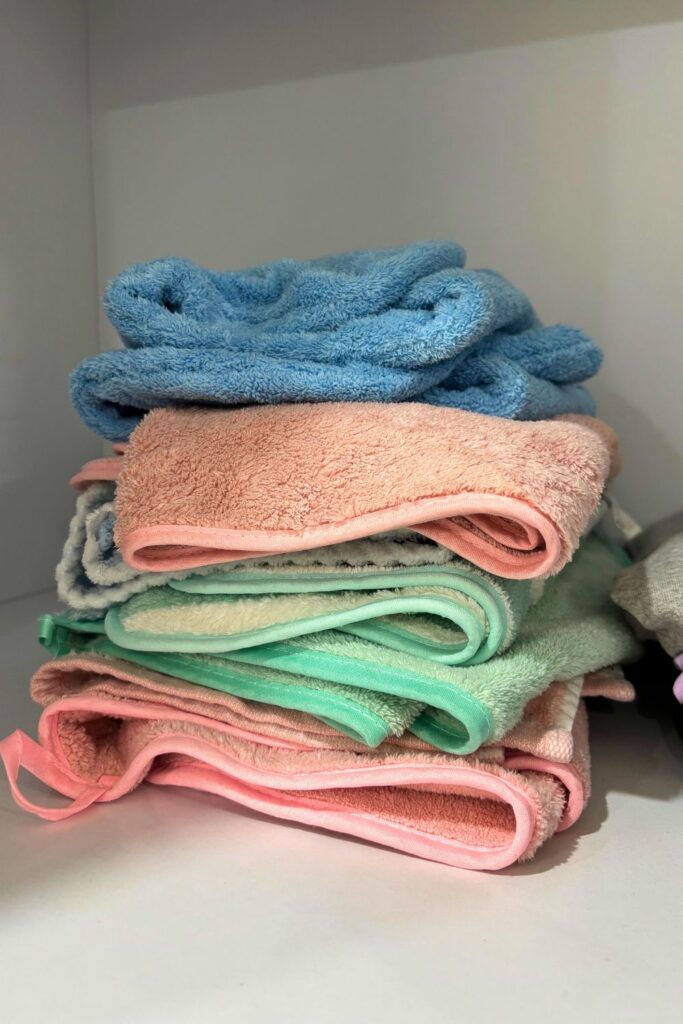
Start changing your face towels more often. I usually throw mine in after a single day’s use. That may seem excessive, but let me explain it to you.
A damp towel is a breeding ground for bacteria, and using yesterday’s face towel is like undoing all your careful cleansing work.
If you use the same face towel for a week (which many women do), by day seven, you’ll be rubbing millions of bacteria onto your clean face.
When this happens, no skincare routine can help you.
When on my skin-clearing journey, I actually bought seven small cotton face towels.
Every morning and evening, I used a fresh towel and immediately put the used one in the laundry hamper. No exceptions!
For people who find this excessive or impractical, you can also go for disposable paper towels.
Combined with the fresh pillowcase routine, this habit will create a completely clean environment for your skin to heal in a month’s time.
So, that was it! Kickstart your 30-day skin clearing journey starting tomorrow, and don’t miss a single step in here. They’re all important, bestie!